

Character Design
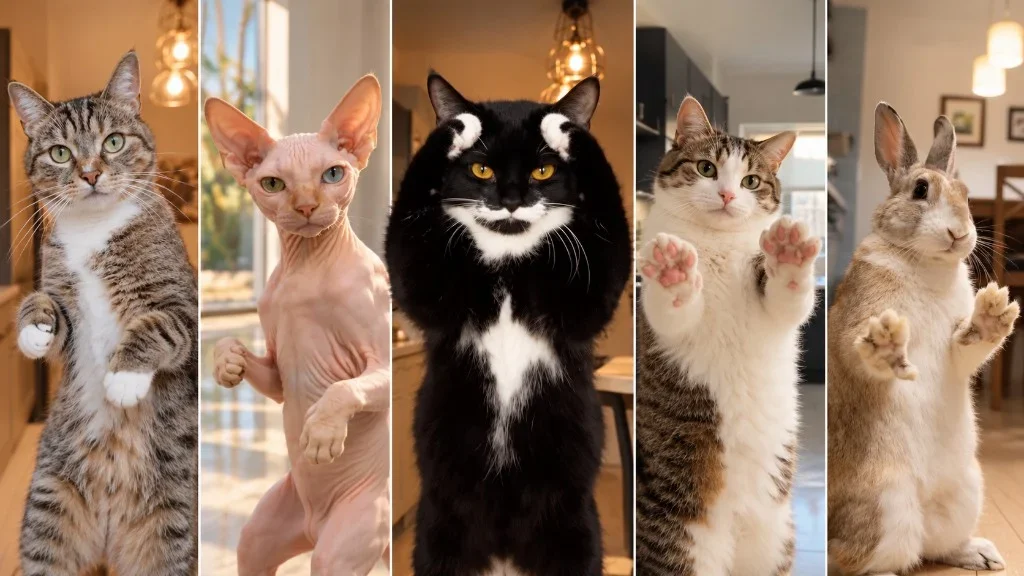
A Character Is More Than a Prompt
What building Brobro taught me about consistent AI character design.
12 min readRead
Image 1 of 3
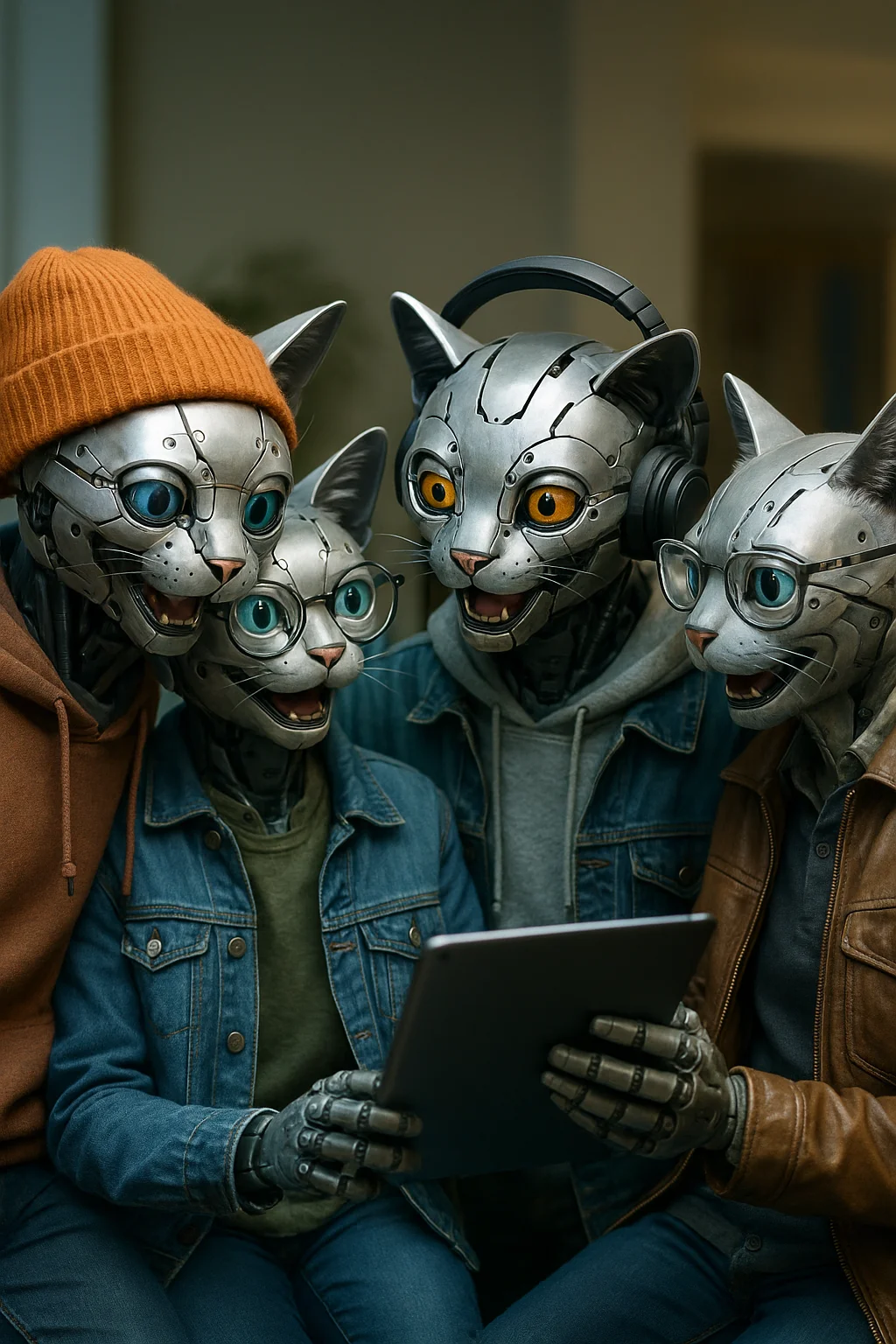
Tech insights from the coolest cats in the industry.
Practical notes on technology, delivery, AI, and building things that have to work in the real world. The point isn't the process. It's the journey.
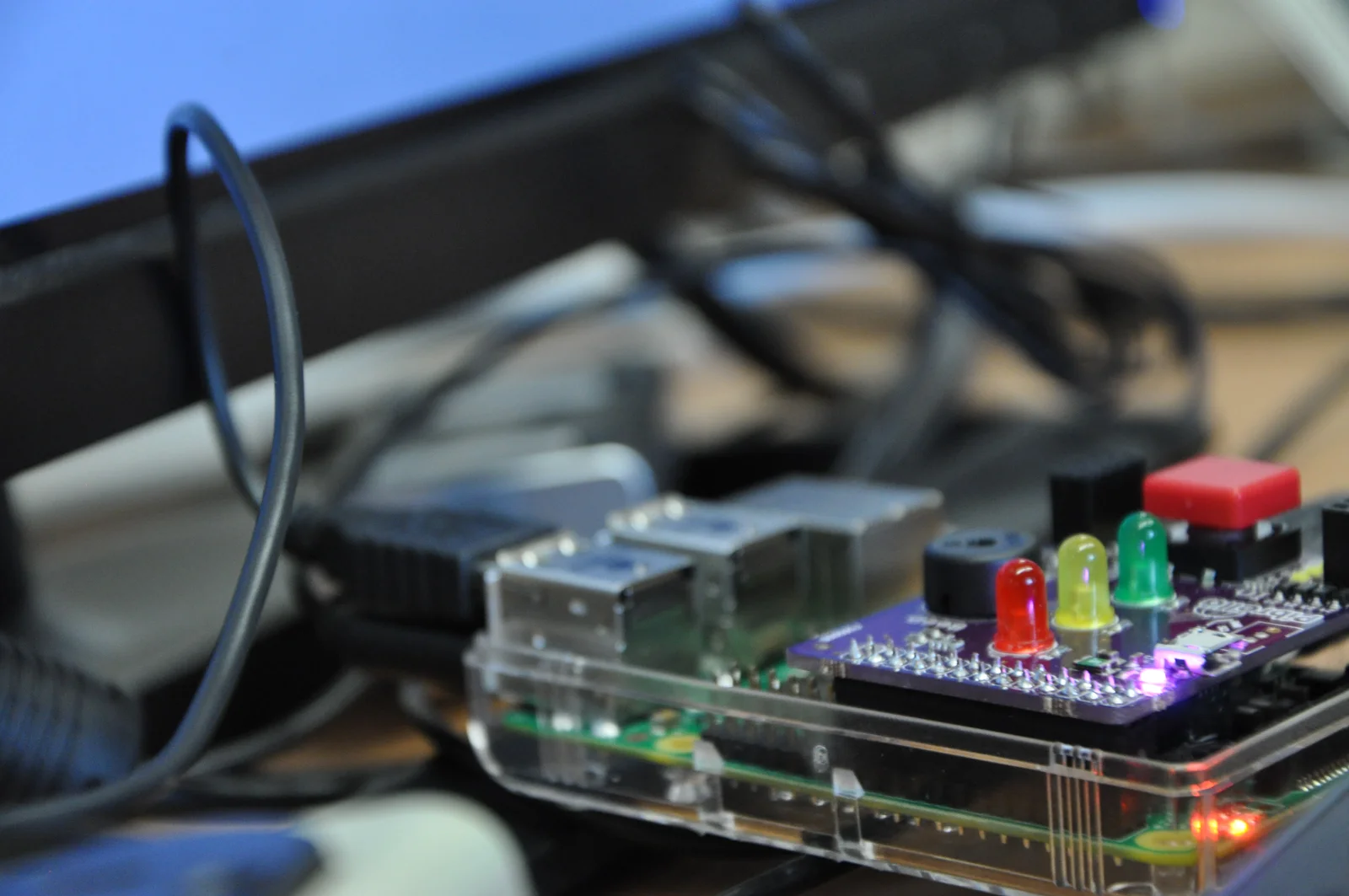
The best learning projects are not impressive because they look polished. They teach you something because they force real trade-offs around data, users, auth, errors, deployment, maintenance, and judgment.

Master the essentials of Scrum methodology, from sprint planning to retrospectives, and learn how to effectively contribute to an agile development team.
An Alternative Take on AI Native Software Development
Fresh from the backlog
What building Brobro taught me about consistent AI character design.
Exploring process and tools to create content that drive social media.
The AI Safety Debate Is Really a Debate About Risk, Power and Control
When agents turn assumptions into tickets, tickets into roadmaps, and nobody stops to ask why.