AI Is Not a Teammate, but It Is a Tool
AI can help teams move faster, but it cannot replace judgment, shared context, or real accountability. Here is where it helps, where it gets weird, and how to use it without letting it run the room.
AI is useful. It is also overhyped, misused, confidently wrong, and weirdly good at making bad ideas look polished.
That combination makes people either worship it or reject it outright. Neither reaction helps a team ship better work.
The better question is not "Will AI replace developers?" or "Should we use AI for everything now?"
The better question is:
Where does AI reduce friction without removing responsibility?
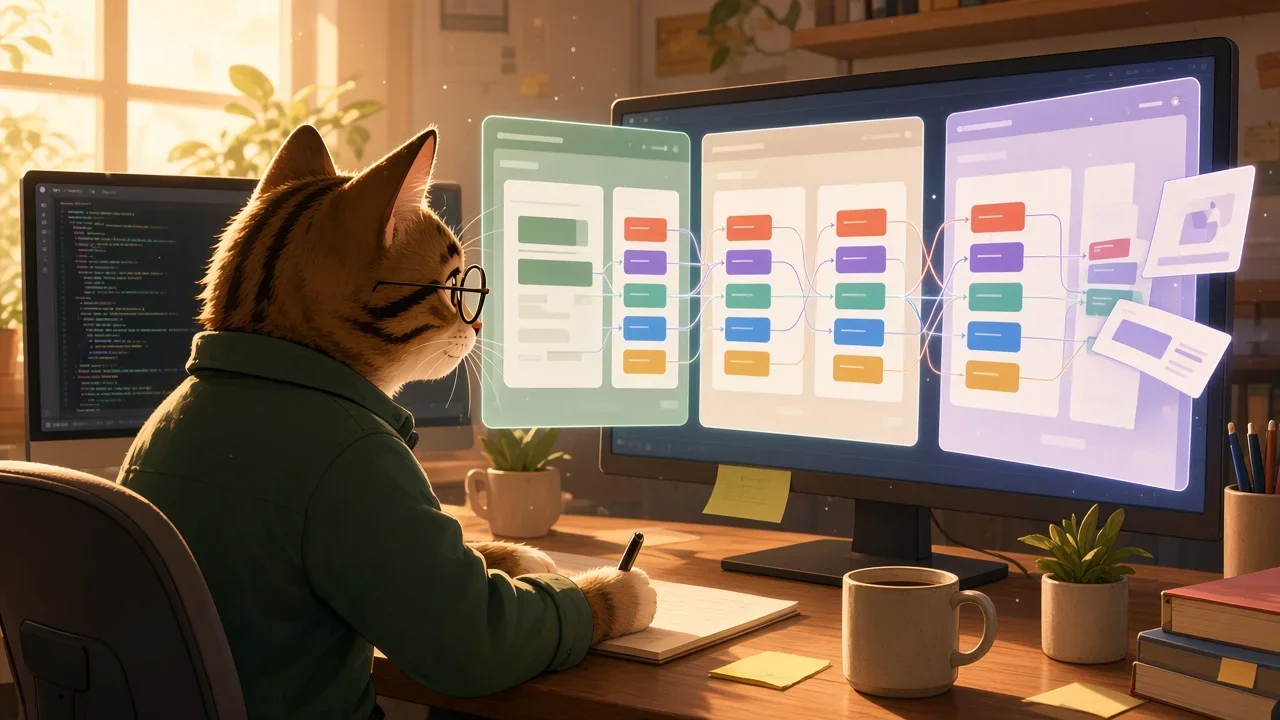
Because AI can absolutely help a team move faster. It can summarize messy notes, draft test cases, explain unfamiliar code, compare options, and turn a half-formed thought into something you can react to. That is valuable.
But it is not a teammate.
A teammate carries context. A teammate understands consequences. A teammate can be challenged in a planning meeting, can explain trade-offs, can own a decision, can notice when the room has gone quiet because the plan is bad.
AI cannot do that.
AI is a tool. Treat it like one.
Where AI Actually Helps
AI is best when the work is fuzzy, repetitive, or temporarily stuck.
That does not mean the work is unimportant. It means the human brain is wasting energy on setup instead of judgment.
Some genuinely useful places to use it:
- Turning rough notes into a first draft of acceptance criteria
- Summarizing a long thread so a team can find the decision hiding inside it
- Drafting test scenarios before QA or engineering reviews them
- Explaining a code path that nobody wants to be the first person to touch
- Comparing implementation approaches before the team commits too early
- Generating boring scaffolding that still needs a real review
- Finding gaps in a plan, especially around edge cases and failure states
That kind of help is not magic. It is acceleration.
The team still has to decide what is true, what matters, and what ships.
Where AI Gets Dangerous
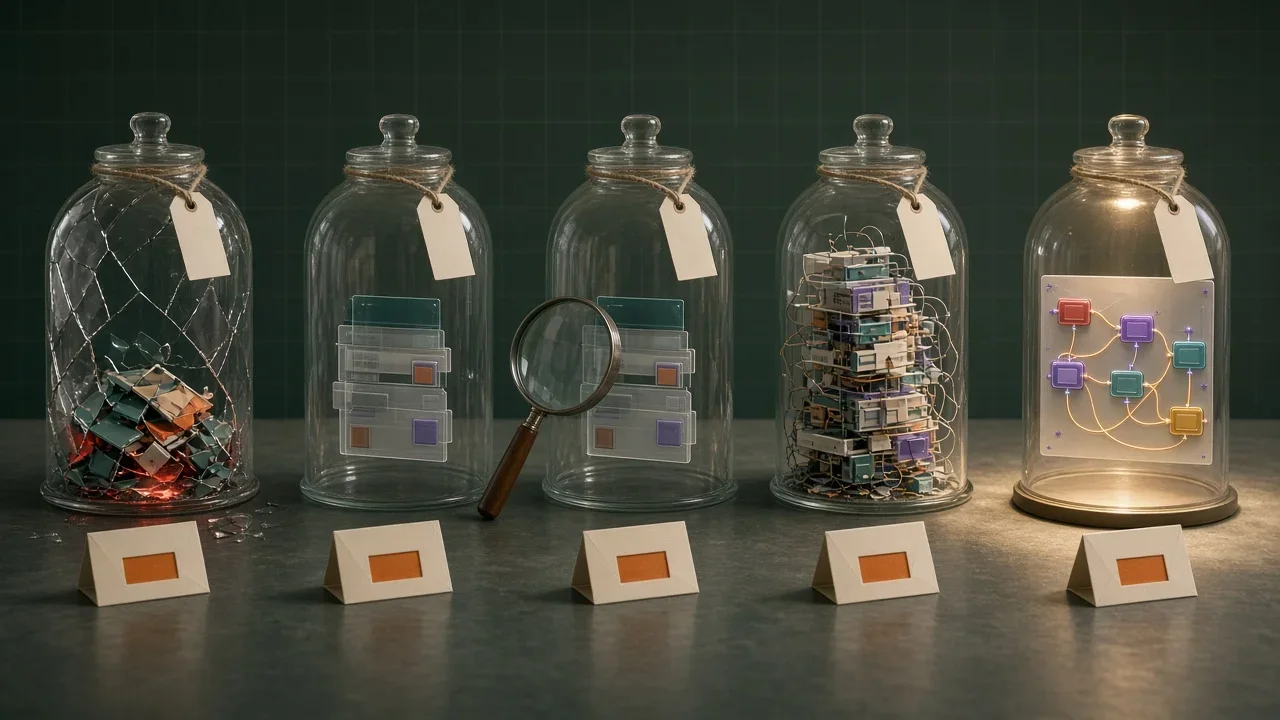
The danger is not that AI is useless. The danger is that it sounds useful even when it is wrong.
Bad AI output has a certain shine to it. It arrives neatly formatted. It uses confident language. It makes weak thinking look ready for review.
That is where teams can get into trouble.
AI gets dangerous when:
- Nobody checks the answer because it "looked right"
- A vague requirement becomes a polished but still-vague ticket
- The team uses AI to create more work instead of clearer work
- Generated code enters the codebase without someone understanding it
- Security, accessibility, and testing are treated like optional cleanup
- People stop asking, "Does this actually solve the problem?"
The tool does not have to be malicious to create mess. It only has to be persuasive.
And AI is very persuasive.
The False Shortcut
Every team has pressure. Deadlines. Stakeholders. A backlog that looks like it was fed after midnight. Someone always wants the thing faster.
AI can make that pressure feel solvable.
"Can we just have AI write the first version?"
Sometimes, sure. But be careful what you mean by "first version."
If you mean "a rough draft we will inspect, reshape, and own," fine.
If you mean "a shortcut around thinking," absolutely not.
AI can produce a ticket. It cannot know whether the ticket belongs in the sprint.
AI can draft code. It cannot know whether the code fits the system's history, politics, trade-offs, and future maintenance burden.
AI can write a test. It cannot know whether that test proves the thing users actually care about.
The shortcut is only useful if it gets you to better human review faster.
If it gets you around review, it is not a shortcut. It is debt with a nicer font.
How to Use AI Without Letting It Run the Room
The rule I like is simple:
AI can propose. Humans decide.
That keeps the tool in its proper place.
Here are a few habits that make AI useful without making it the unofficial product owner, architect, QA analyst, and intern all at once.
Start With the Question, Not the Tool
Before using AI, say what problem you are trying to solve.
Not "let's use AI on this."
Try:
- "We need better edge cases for this workflow."
- "We need to summarize the decision from this messy thread."
- "We need three implementation options with trade-offs."
- "We need to turn this vague request into questions for the stakeholder."
That framing matters. It keeps the team focused on the work, not the novelty.
Ask It for Gaps, Not Just Answers
AI is often more useful as a challenger than as an answer machine.
Ask:
- "What assumptions are hidden in this plan?"
- "What could go wrong with this implementation?"
- "What user states are missing?"
- "What should we test before release?"
- "What would make this ticket unclear to a developer?"
That kind of prompting turns AI into a pressure test. It helps the team see blind spots before users find them for you.
Keep Generated Work Reviewable
If AI writes something, someone still owns it.
That means:
- Generated code gets reviewed like any other code
- Generated test cases get checked against real acceptance criteria
- Generated documentation gets corrected by someone who understands the system
- Generated summaries get verified against the source material
No mystery meat in the repo. No "the AI said so" in planning. No ticket that nobody can explain.
If the team cannot review it, the team should not ship it.
Use It to Make Better Conversations
The underrated use case for AI is not replacing work. It is improving the conversation around the work.
Bring AI into the messy middle:
- Before refinement, to expose unclear requirements
- Before planning, to identify dependencies
- Before development, to explore implementation paths
- Before review, to check whether the work matches the goal
- Before release, to ask what the team has not considered
Used well, AI gives the team more to react to. It creates a starting point, not a verdict.
That is useful because blank pages slow people down. A flawed draft can be argued with. A list of possible risks can start a better conversation. A rough test matrix can remind everyone that happy path is not the whole product.
The Human Work Still Matters Most
Good teams are not good because they have the fanciest tools.
They are good because they know how to think together.
They ask better questions. They make trade-offs visible. They notice when a solution is too complicated for the value it provides. They know when a stakeholder is asking for a feature but actually needs clarity. They know when speed is real and when it is panic wearing a blazer.
AI can support that kind of work.
It cannot replace it.
So yes, use AI. Use it to draft, summarize, compare, pressure test, and get unstuck. Use it to reduce the time between "I have no idea where to start" and "now I can make a decision."
Just do not confuse output with ownership.
The team still owns the decision.
The team still owns the quality.
The team still owns the outcome.
AI is not a teammate.
But in the hands of a team that still knows how to think, it can be a very useful tool.
Continue Exploring
View All